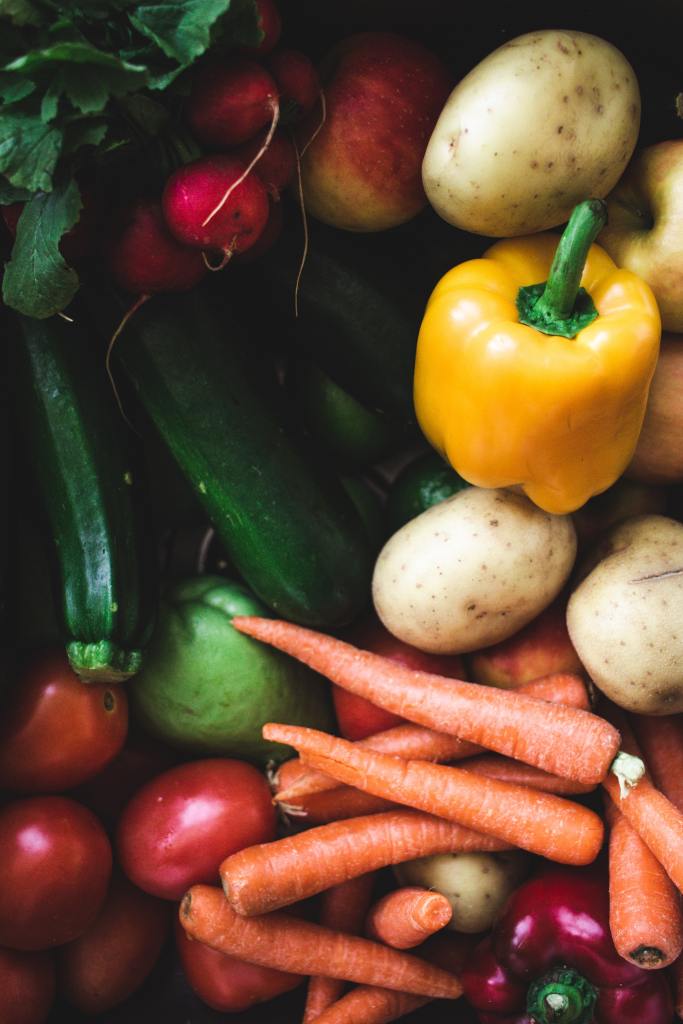
Apples and pears
Apples widely consumed,rich source of phytochemicals including phenolic compounds,pigments, vitamin C among others.
The phytochemicals composition of apples varies greatly between different varieties.
Pears have lower antioxidant activity compared to pigmented fruits.
In the laboratory,apples have been found to have a strong antioxidant activity, inhibit cancer cell proliferation, decrease lipid oxidation, and lower cholesterol.
Epidemiological studies have linked the consumption of apples with reduced risk of some cancers,cardiovascular disease,asthma and diabetes. Antioxidant and antiproliferation activities of phenolics are as a consequence of synergistic activities of phenolics rather than vitamin C.
In pear fruit,the contribution of phenolic compounds to antioxidant activity is also greater than
vitamin C.
Citrus
Citrus fruit and their juices are rich sources of vitamin C. There is considerable variation in vitamin C content of juices of different citrus fruits. Grape fruit,tangerine,and lemon generally contain between 20 and 50mg/100L juice.
Citrus limonoids (such as limonin and nomilin)responsible for bitter taste in citrus are used as chemopreventive agents.
The main flavonoids in oranges and grapefruits are hesperidi and naringin respectively, and hesperidin is also found in mandarins,lemons and limes.Citrus flavonoids posses anticancer activity in addition to antiviral and antiinflammatory activities and ability to inhibit human platelet aggregation.
Citrus fruit are rich source of pectin.Dietary incorporation of citrus pectins appear to affect metabolic and digestive processes such as glucose absorption and cholesterol levels.(Baker 1994)
The polymethoxyflavones and glycosylated flavones are only found in specific pattern for each species of citrus fruits. They have been shown to have a broad spectrum of biological activities such as antiinflammatory, anticancer and antiatherogenic properties.
Grapes and Berries
Rich sources of phytochemicals;phenolic compounds,pigments and ascorbic acid.Fresh grapes and grape juices are excellent sources of phenolic antioxidants.
Large amounts and diverse classes of phenolic compound found in grapes play an important role in human health, such as lowering of low density lipoprotein.Products derived from grapes have high antioxidant capabilities.
Grapes have viniferin,a powerful antifungal agent and anthocyanins which are strong antioxidants that inhibit platelet aggregation.
Berries contribute asignificant number and amount of phytochemicals such as ascorbic acid,carotenoids,flavonoids,phenolic acids and tocopherols.Strawberries are good sources of natural antioxidants.Berry fruit have sterols,stilbenes and catechin.Sterols are effective in decreasing serum total and low density lipoprotein cholesterol. Stilbenes have potential cardioprotective and chemopreventive properties. Catechin is a powerful ,water soluble polyphenol antioxidant that is easily oxidized which enhances immune system function.
Blue berries are rich in anthocyanins and procyanidins,and are unique in that they contain abudant levels of chlorogenic acids.
Anthocyanins have therapeutic purposes.They are essential in treatment of diabetic retinopathy, fibrocystic disease and vision disorders.
Avocados
Avacodos have high fat,contains rare sugars of high carbon number and is relatively rich in certain vitamins, dietary fiber,minerals,and nitrogenous substances.
It has a high oil,low sugar content of about 1% hence recommended high-energy food for diabetes.
It is a rich source of potassium which is 1.6 times more than that in bananas.
The high mono- and polyunsaturation and low saturated content make it a “healthy” oil in terms of effect on heart diseases. Mono saturated fats in avocado s reduce blood cholesterol preserving the level of HDL.In addition ,avocado oil contains a range of other health promoting compounds such as chlorophyll, carotenoids,alpha tocopherol,and beta sitosterol.
The edible portion of the fruit is rich in oleic,palmitic,linoleic,and palmitoleic acids,steric acid is in trace amounts.
Avocados are rich in vitamin B-6 and lesser amounts of biotin,folic acid,thiamine, riboflavin,calciferol(vitamin D),alpha tocopherol(vitamin E) and vitamin K.It has also been reported that avocado is a source of lutein.
Stone fruits
Yellow flesh peaches contain provitamin A carotenoids,predominantly as beta carotene and beta cryptoxanthin.
The two dorminant polyphenols in sweet cherries(P.avium L.)are caffeoltartaric acid and 3-p-coumaroylquinic acid.However sweet cherries are characterized to have anthocyanins as major phenolic compounds.
According to a study by Donovan (and others 1998)prunes(Prunus domestica) and prune juice were antioxidant toward oxidation of human LDL.
Wang(and others 1996) studied that the inhibition of LDL oxidation by raw and canned peaches (prunus persica)ranged between 56-87% oxidation activity mainly attributed to presence of hydrixycinnamic acids and chlorogenic and neochlorogenic acids,but not to carotenoids such as beta carotene and beta cryptoxanthin.However,Plumb and others 1996b reported that hydroxycinnamic acids do not contribute to the inhibition of lipid peroxidation of liver and cell micromes by fruit extracts including plums and peaches,although these fruits had the ability to scavenge hydroxyl radicals.
Tropical Fruits
Bananas,plantains,and breadfruit a source of starch,acerola fruit contains about 1000-3300mg/100g ,the highest known ascorbic acid content among all fruits,and other good sources of vitamin C include guava,lychee,papaya and passion fruit.
Mango and papaya are good sources of vitamin A,breadfruit and cherimoya contain relatively high amounts of niacin,and thiamin,and most tropical fruits are good sources of minerals especially potassium and iron.Mango and Papaya are among tropical fruits rich in carotenoids.Mango fruit is a rich source of vitamin C and carotenoids,some of which function as provitamin A.Some chemical components of Carica papaya fruit pulp have been reported suggesting that the astringent action of the plant encountered in numerous and therapeutic uses is due to the presence of some phytochemicals such as saponins and cardenolides liquid.
Nuts
They contain high content of total antioxidants;tree nuts,walnut,pecans and chestruts have higher amounts. Peanuts also contribute to dietary intake antioxidants.
Almonds are rich sources of proteins,ditary fats,fibers and several minerals.They have nine phenolic compounds with eight exhibiting strong antioxidant activity.Polyphenolic compounds in Almonds are absorbed well in the body and are active in preventing oxidation of LDL cholesterol; vitamin E in almonds act in synergy with phenolic compounds to reduce oxidation.
Tomatoes
These are healthy foods low in fat and calories, cholesterol free,good source of fiber,vitamins A and C,beta carotene, lycopene,and potassium.Lycopene,the principal pigment responsible for the characteristic deep-red colour of ripe tomato fruit is a natural antioxidant that can prevent cancer and heart disease.
Increasing clinical evidence supports the role of lycopene as a micronutrient with important health benefits due to its role in the protection against a broad range of epithelial cancers. The serum level of lycopene and the dietary intake of tomatoes have been inversely correlated with the incidence of cancer.
Other components that can contribute to health include flavonoids,folic acid,and vitamin E.
Cruciferous Vegetables.
Sulfur containing phytochemicals of two different kinds are present in all Brassica oleracea vegetables. (Cabbage, broccoli, cauliflower, Brussels sprouts, Kale);
i.Glucosinolates.
ii.S-methylcysteine sulfoxide
These compounds derived from amino acid biosynthesis appear to posses anticarcinogenic properties. Numerous studies have indicated that hydrolytic products of atleast three glucosinolates;i.4-methyl sulfinyl butyl(glucoraphanin).ii.2-phenylethyl(gluconasturtiin) iii.3-indolylmethyl(glucobrassicin) have anticarcinogenic activity. Indole-3-carbinol,a metabolite of glucobrassicin,has shown inhibitory effects in studies of human breast and ovarian cancers. S-Methylcysteine sulfoxide and its metabolite methylmethane thiosulfinate were found to inhibit chemically induced genotoxicity in mice. Therefore, cancer chemopreventive effects of brassica vegetables may be due to presence of both types of sulfur containing phytochemicals species.
Brussels sprouts and broccolis exert higher antioxidant activity than cauliflower and some other vegetables.
A study by D.A Moreno et al indicates that broccoli sprouts could exert health benefits due to an abundance of phytochemicals such as flavonoida and various and minerals.
Root and tuberous.
Carrots(Dauci carota) are excellent sources of beta carotene and vitamin A ,low antioxidant activity ,boiling for 30 minutes significantly improves their antioxidant activity with oxidation of beta carotene and linoleic acid according to Gezzani.
Potatoes (Solanum tuberosum) are rich source of carbohydrates, source of some antioxidants
such as ascorbic acids,alpha tocopherol and polyphenolic compounds. Purple potatoes and peels have shown greater antioxidant activity than white and yellow varieties which is due to anthocyanins such as pelargonidin-3-rutinoside-5-glucoside.
In addition to having important phytochemicals such as betalains,beetroot (Beta vulgaris L.) and sugar beet(Beta vulgaris esculenta) peels showed high antioxidant activities.
Peppers.
Fresh peppers are excellent sources of vitamins A,C as well as neutral and acid phenolic compounds.
Peppers have been reported to be rich in provitamin A carotenoids beta carotene, alpha carotene,beta-cryptoxanthin as well as xanthophlls.
Allium
Edible alliums especially onions and garlic have been an important part of the daily diet of several cultures.Allium were thought to have medicinal properties. Allium vegetables such as onions,garlic,scallions,chives,and leeks include high concentration of compounds such as dially sulfide and allyl methyl trisulfide.These compounds have been shown to inhibit cell proliferation and growth, enhance the immune system,alter carcinogen activation, stimulate detoxification enzymes, and reduce carcinogen in DNA binding.
Selenium posses antitumor activity in humans.
Nutritional Recommendations.
Fruits,vegetables and other plant foods have their distinctive phytochemicals profiles and composition.These distinctive phytochemicals are different in molecular size,polarity,solubility, bioavailability,metabolic pathways, and excretion which will affect the distribution and concentrations of each phytochemicals in different organs,tissue cells,and subcellular organelles. Therefore the health benefits of fruits,vegetables and other plant foods are found in balanced diet with a variety of these foods for optimal health. The key is to encourage consumers to increase the total amount to 9 to 13 servings of fruits and vegetables in all forms available. Fresh,processed fruits and vegetables including frozen and canned,cooked, 100% fruit juices, and 100% vegetable juices, as well as dry fruits are all considered servings of fruits and vegetables per day.Therefore, consumers should obtain their nutrients,antioxidants, bioactive compounds, or phytochemicals from their balanced diet with a wide variety of fruits, vegetables,whole grains, and other plant foods for optimal nutrition,health, and well-being, not from dietary supplements.Further research on benefits of phytochemicals on our well being and their adverse effect is necessary.
References:
Agarwal S and Rao AV. 1998. Tomato lycopene and low density lipoprotein oxidation: a human dietary intervention study. Lipids 33:981–984.
Berry fruit : value-added products for health promotion / editor, Yanyun Zhao.2007.Berry fruit phytochemicals p73-92
de la Rosa, Laura A.2010.Fruit and vegetable phytochemicals : chemistry, nutritional value and stability /Laura A. de la Rosa, Emilio Alvarez-Parrilla, Gustavo A. Gonzalez-Aguilar. – 1. ed.2010.Importance of phytochemicals in fruits and vegetables. pg 3-34.
Rui Hai Lui,2013.Health promoting components of fruits and vegetables. Supplement of “White vegetables: A forgotten source of nutrition”. Advances in Nutrition.
…….
.
.
 Nutritional Science expo